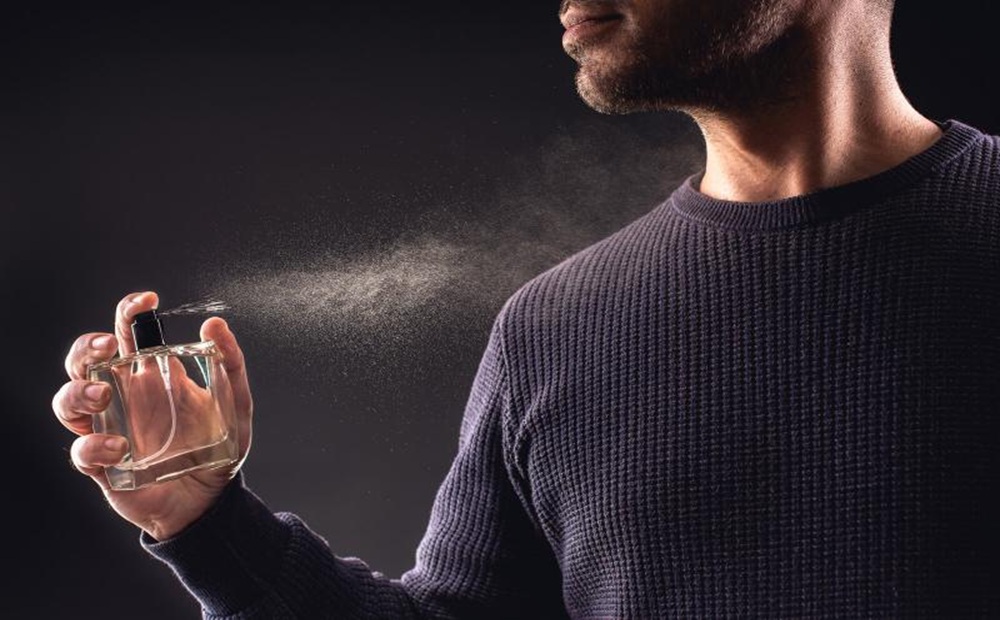
Did You Know Spraying Perfume on Your Neck Could Be Risky?
By Newslab Admin
Updated
43 views
Perfume is often thought of as a harmless finishing touch — a few sprays before leaving the house, a familiar scent that signals confidence or comfort. But recent research suggests we might want to rethink where and how we apply it, especially on the neck.
Scientists at the University of California, Berkeley, have found that many commonly used perfumes and cosmetics contain chemicals like phthalates. These compounds make fragrances last longer, but they’re also endocrine disruptors — meaning they can interfere with the body’s hormone system by mimicking or blocking natural hormones.
Hormones rely on delicate signalling pathways, and even small disruptions over time can have cascading effects. Studies cited by medical organisations such as the Endocrine Society show that endocrine-disrupting chemicals can interfere with thyroid function, a gland that regulates metabolism, energy levels, mood, and temperature. Repeated stress on thyroid signalling may not cause immediate problems, but the effects can accumulate silently.
Here’s why the neck is a concern: the skin there is thinner than many other areas and highly vascular, meaning chemicals are absorbed into the bloodstream more easily. Spraying perfume directly over the thyroid area, especially daily, may increase exposure in ways we rarely consider.
To be clear, occasional perfume use isn’t considered dangerous, and fragrance doesn’t need to be eliminated entirely. The worry is repeated, long-term application in sensitive areas, particularly for those with thyroid issues, hormonal imbalances, or heightened sensitivity to endocrine disruptors.
This issue also shines a light on a bigger problem in personal care products: regulations often focus on immediate toxicity rather than long-term hormonal effects. Many fragrance formulas are protected as trade secrets, leaving consumers unaware of the exact chemicals they’re exposing themselves to. What smells harmless may still carry invisible biological consequences over time.
The good news? Small adjustments can reduce risk without giving up your favourite scent. Try spraying perfume on clothing instead of skin, or choose areas with thicker skin, like wrists or behind the knees. Opting for fragrance-free or transparently labelled products can further lower cumulative exposure.
The takeaway isn’t fear, it’s awareness. Daily routines shape health quietly. Perfume will likely remain part of our lives, but knowing how the body interacts with what we apply allows for smarter, safer choices. Sometimes, protecting hormonal health starts with simply changing where we spray.